
Can you install new flooring without removing the old one?
Rethinking Home Renovation: Laying New Flooring Over Old Surfaces in Tampa
Homeowners across Tampa Bay are always looking for smart ways to refresh their living spaces without unnecessary hassle. One commonly debated topic in the remodeling community is whether you can install new flooring without removing the old one. This approach often promises time and cost savings, but also comes with distinct technical considerations. With the subtropical climate and high humidity levels, Tampa properties present unique challenges for flooring upgrades. For those seeking local expertise, the company TAMPA BAY FLOORS offers Tampa Bay professional flooring services that can guide homeowners through the process, ensuring lasting results for every room.
When Is It Feasible to Install New Flooring Over Old Flooring?
Deciding to lay new flooring directly over an existing surface depends on several critical factors. First, the type of current flooring plays a pivotal role. Luxury vinyl planks, engineered hardwood, and some types of laminate can often be installed over previous floors if the existing surface is flat, dry, and stable. However, flooring like plush carpet, damaged wood, or uneven tiles may need removal to prevent problems down the line.
Moisture is a significant concern in the Tampa region. High humidity can lead to condensation buildup, especially if two impermeable flooring layers trap moisture between them. This scenario promotes mold growth and warping–issues that can quickly turn a renovation into a costly repair job. Proper vapor barriers and underlayments are therefore essential, particularly for homes on concrete slabs or areas prone to dampness.
Height increase is another consideration. Stacking new floors over old ones can raise overall floor height, affecting door clearance, transitions to adjoining rooms, and built-in fixtures. Even a seemingly minor elevation can result in doors scraping or not closing properly, requiring trimming or adjustment. Additionally, transitions between different flooring types in hallways or entryways must be planned for, ensuring safe and visually appealing thresholds.
Lastly, local building codes and manufacturer warranties must be reviewed. Some products require removal of existing flooring to maintain their warranties. Skipping this step may void protection, leaving homeowners liable for future problems. Engaging with knowledgeable local professionals guarantees compliance with these standards and helps prevent costly mistakes.
Tampa’s heat and humidity, combined with the area’s diverse housing stock, make it vital to carefully assess these variables before committing to a flooring-over-flooring installation.
Common Scenarios for Installing New Flooring Over Existing Surfaces
Covering old flooring with a new surface is not a one-size-fits-all solution. Homeowners should evaluate a range of scenarios to determine what’s practical and durable for their space.
Floating Floors Over Old Flooring
Floating floors, like laminate or click-together vinyl planks, are designed to rest above the subfloor rather than being nailed or glued down. These products can often be installed directly over tile, vinyl, or hardwood, provided the underlayer is flat and stable. Underlayment materials may be added for cushioning and sound insulation, improving comfort and acoustic performance.
Tile Over Tile
In some Tampa homes, laying new porcelain or ceramic tile over older tiles is possible if the existing tiles are level, tightly adhered, and free from cracks. This approach requires a quality primer and the right thin-set mortar for strong adhesion. Skipping proper preparation raises the risk of tiles lifting or grout cracking under foot traffic.
Vinyl Sheets Over Existing Floors
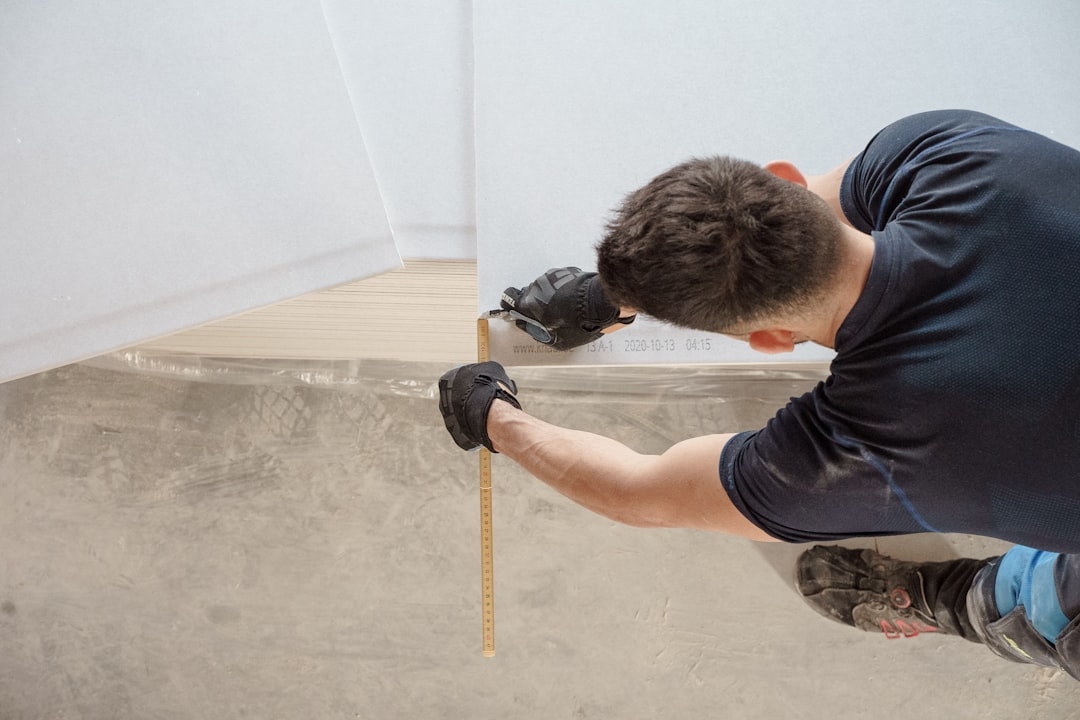
Modern sheet vinyl can sometimes be laid directly over older vinyl, linoleum, or tile, provided seams are smoothed and the base layer is intact. This method is especially useful in kitchens or bathrooms where water resistance is crucial.
Complications and When Removal Is a Must
There are times when tearing out the old floor is unavoidable. For example, plush carpet must be removed before installing any hard surface material to prevent excess movement, bounce, or mold risk. Severely damaged, uneven, or loose floors also necessitate professional demolition. In these cases, turning to a trusted provider like the company TAMPA BAY FLOORS for flooring removal services ensures the site is thoroughly prepared for the new installation and minimizes setbacks.
H3: Recognizing Hidden Problems
Sometimes, the condition of the subfloor beneath the existing material is unknown. Soft spots, rot from previous water leaks, or termite damage can be missed if only superficial layers are inspected. Removing the old flooring allows for a complete subfloor evaluation, which is vital for ensuring structural integrity and long-term performance. Failing to address these issues before installation can lead to squeaks, warping, or even hazardous conditions in high-traffic areas.
Professional Floor Preparation and Leveling in Home Renovations
Proper subfloor preparation is the foundation of every successful flooring project. In Tampa’s variable climate, even minor irregularities can shorten a floor’s lifespan or impact its appearance.
The company TAMPA BAY FLOORS offers comprehensive https://tampabayfloors.us/services/prepping/floor-leveling solutions that address issues like uneven surfaces, dips, and high spots. These services are essential before installing floating floors, stretch-in carpets, or rigid tiles.
A correctly leveled surface provides several benefits:
- Enhances flooring stability and prevents premature wear
- Reduces risk of gaps, buckling, or lippage (uneven tile edges)
- Improves walking comfort and reduces tripping hazards
- Helps maintain product warranties by meeting manufacturer specifications
- Ensures transitions between rooms remain seamless and attractive
Leveling compounds, moisture barriers, and specialized underlayments are all tailored to local conditions. This detailed approach ensures lasting results whether installing new floors over old materials or after full demolition.
The Role of Local Expertise and Climate in Tampa Flooring Upgrades
The Tampa Bay environment presents unique challenges that make professional expertise indispensable for home renovation. Seasonal storms, high humidity, and fluctuating temperatures all affect flooring choices and installation techniques. For instance, improperly sealed seams or inadequate underlayments quickly lead to moisture intrusion and damage.
Moreover, Tampa’s mix of single-family homes, condos, and historic bungalows requires different strategies for retrofitting spaces. Flooring materials that perform well in one type of residence may not be suitable for another, especially when installing over existing finishes. Local professionals know which products and methods stand up to Tampa’s environment, ensuring durability for years to come.
When tackling a major renovation, consulting with experienced specialists helps homeowners navigate warranty requirements, code compliance, and hidden hazards. These experts also have access to commercial-grade equipment and materials not typically available to do-it-yourself enthusiasts.
Summary: Is Installing New Flooring Over Old the Right Choice for Tampa Homes?
Refreshing your home by installing new flooring over existing surfaces can be efficient and cost-effective in the right conditions. Success hinges on the type of current flooring, the state of the subfloor, and careful adaptation to Tampa’s climate. Professional assessment, expert floor leveling, and, when necessary, skilled demolition are key steps to a secure and beautiful result. Homeowners benefit from relying on trusted local specialists who understand the unique flooring needs of the Tampa Bay region.